
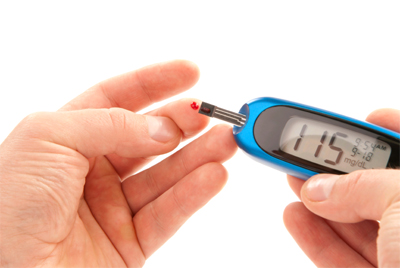
How Stress Affects Blood Sugar Levels
When stressed, the body enters a fight-or-flight mode, triggering hormones such as cortisol and adrenaline. These hormones raise blood sugar levels to provide quick energy. For individuals with diabetes, this natural response can be problematic. Stress increases insulin resistance, making it harder for cells to absorb glucose. Blood sugar can rise unexpectedly even without food, affecting both type 1 and type 2 diabetes, and complicating diabetes management.
Impact of Emotional and Physical Stress
Emotional Stress: Prolonged cortisol secretion due to anxiety, work pressure, or financial concerns can elevate blood sugar levels and trigger food cravings.
Physical Stress: Factors like illness, injury, or lack of sleep release stress hormones that spike blood sugar and reduce insulin sensitivity.
Ways to Lower Stress and Improve Blood Sugar
– Engage in regular physical activity such as walking, jogging, or light exercises.
– Practice deep breathing, yoga, or mindfulness meditation to calm the mind.
– Ensure a minimum of 6 hours of sleep daily.
– Consume a balanced diet rich in high-fiber foods, lean proteins, and whole grains to stabilize blood sugar levels.
Note: If stress consistently affects blood sugar levels despite lifestyle changes, consult a doctor or mental health professional. They may recommend therapy or specialized stress management programs to help manage both stress and diabetes effectively.