
Symptoms of Low Blood Sugar (Hypoglycemia)
Low blood sugar, medically known as hypoglycemia, occurs when the body does not have enough glucose to meet its energy needs. While it is more common in people with Type 1 or Type 2 diabetes, it can occur in anyone under certain conditions.
How Low Is Too Low?
– 70–55 mg/dL: Mild to moderate symptoms
– Below 55 mg/dL: Severe symptoms
– Below 40 mg/dL: Critical and life-threatening
Common Symptoms of Low Blood Sugar
Symptoms can differ from person to person and usually depend on how fast and how far blood sugar drops. They generally appear in two main ways:
Body (Autonomic) Symptoms
These are early warning signs:
– Shaking or trembling
– Sweating
– Fast or pounding heartbeat
– Intense hunger
– Nervousness or anxiety
Brain (Neuroglycopenic) Symptoms
These occur when the brain does not receive enough glucose:
– Difficulty concentrating
– Headache
– Blurred vision
– Dizziness or lightheadedness
– Confusion or disorientation
– Slurred speech
– Irritability or restlessness
– Seizures
– Fainting or loss of consciousness
What Is Hypoglycemia Unawareness?
Hypoglycemia unawareness happens when a person does not experience the usual early warning signs like sweating or shaking. As a result, blood sugar can drop dangerously low without any clear symptoms.
Why It Happens
– Frequent low blood sugar episodes
– Very tight blood sugar control over long periods
– Nerve damage (neuropathy) due to diabetes
Why It’s Serious
Without warning signs, a person may not treat low blood sugar in time, increasing the risk of seizures, fainting, or medical emergencies.
When to Seek Medical Help
Seek immediate medical attention if:
– Blood sugar stays below 70 mg/dL despite treatment
– There is severe confusion, slurred speech, or inability to move
– The person faints or becomes unresponsive
– A seizure occurs
– Sugar or glucagon does not improve the condition
How Low Blood Sugar Is Diagnosed
Doctors diagnose hypoglycemia by reviewing:
– Symptoms
– Blood sugar readings
– Medical history
Common tests include:
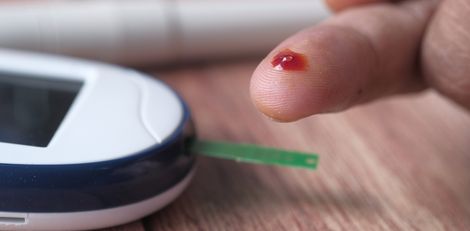
– Finger-prick glucose test
– Continuous Glucose Monitoring (CGM)
– Fasting blood sugar or mixed-meal tests, if episodes are frequent
Key Takeaway
Low blood sugar can range from mild discomfort to a medical emergency. Recognising early symptoms and responding quickly can prevent serious complications. Persistent or unexplained episodes should always be evaluated by a healthcare professional.
Disclaimer
This content is for educational and informational purposes only. It is not a substitute for professional medical advice, diagnosis, or treatment. Always consult a qualified healthcare provider for concerns related to blood sugar or health conditions.