
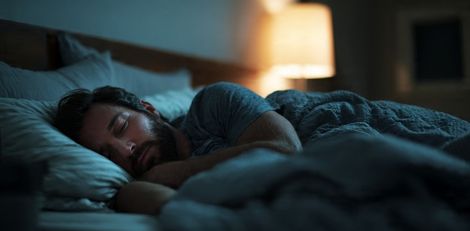
Sleep problems are becoming increasingly common due to modern lifestyle changes and unhealthy habits. Lack of proper sleep can lead to daytime fatigue, poor concentration, and even weight-related issues. Understanding the causes of insomnia and correcting them can help restore healthy sleep.
How to Identify Sleep Problems
You may have sleep issues if:
– You struggle to fall asleep or stay asleep
– You wake up feeling tired instead of refreshed
If both apply, it may indicate insufficient or poor-quality sleep.
Common Causes of Insomnia
– Stress, anxiety, or depression
– Sudden life changes or emotional events
– Poor sleep habits like using mobile phones or watching TV in bed
– Environmental factors such as noise or bright light
Common Symptoms
People with sleep problems may experience:
– Difficulty falling asleep
– Disturbed sleep with frequent dreams or interruptions
– Feeling exhausted even after sleeping
– Waking up early (around 2-4 AM) and unable to sleep again
Tips to Fall Asleep Faster
Create a dark environment
The body releases melatonin, a sleep hormone, in low light. Bright light can reduce its production, making sleep harder.
Maintain a calm bedroom setup
Keep your bedroom quiet, dimly lit, and comfortable. Use a supportive pillow and bed.
Avoid screens before bed
Stop using phones, TV, or other screens at least 1-2 hours before sleep, as they interfere with natural sleep signals.
Use the bed only for sleep
If you can’t sleep within 15 minutes, get up and move to another room. Sit calmly, read a book in low light, and return only when you feel sleepy.
Fix the root cause
If sleep issues are linked to mental health conditions or stress, addressing those problems can improve sleep naturally.
Final Thought
Good sleep is essential for both physical and mental health. By improving sleep habits and creating the right environment, you can train your body to fall asleep naturally and wake up refreshed.
Disclaimer: This content is provided for informational purposes only. It is prepared carefully to avoid any issues and should not be considered medical advice. Consult a qualified professional if sleep problems persist.